
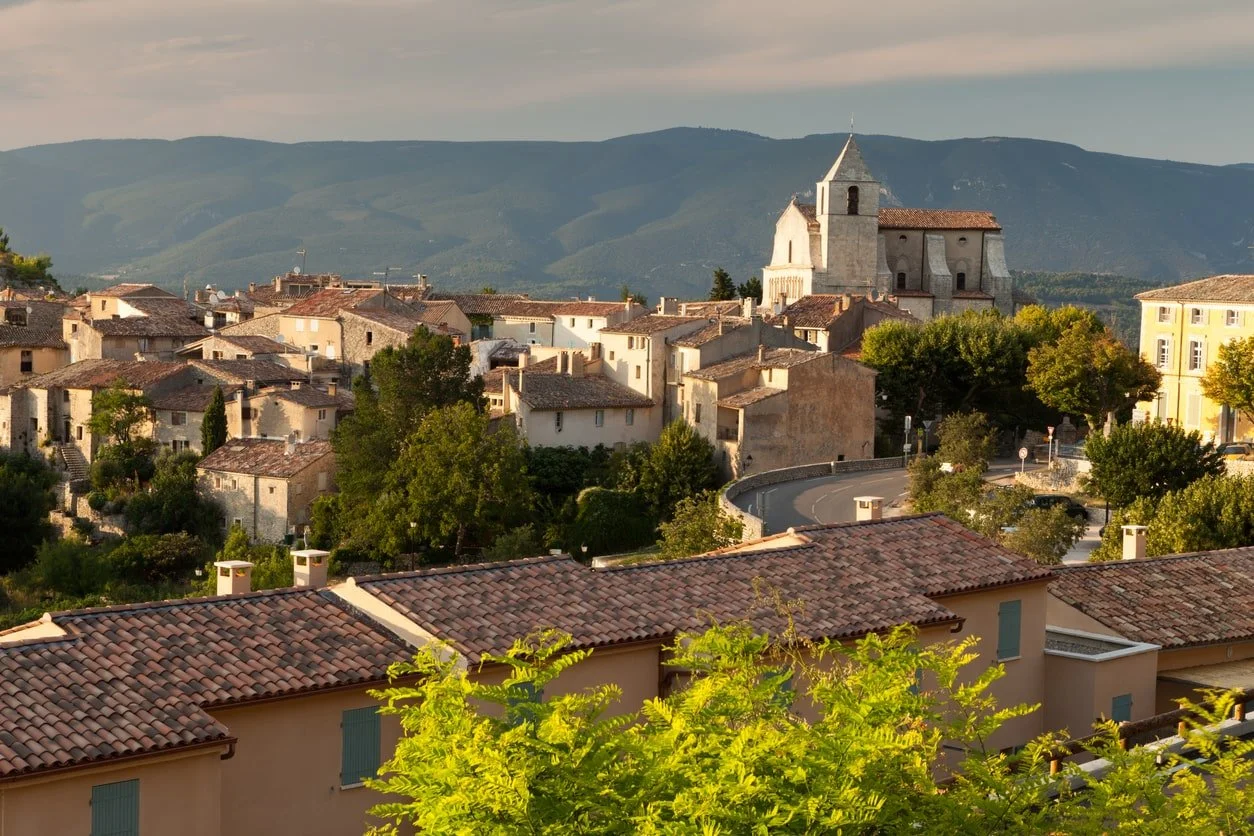
Saignon
The name of the village is thought to come from the Latin signum, meaning "signal," because the rock was used as a lookout point.
Among the hilltop villages of the Apt Valley, Saignon is undoubtedly the oldest.
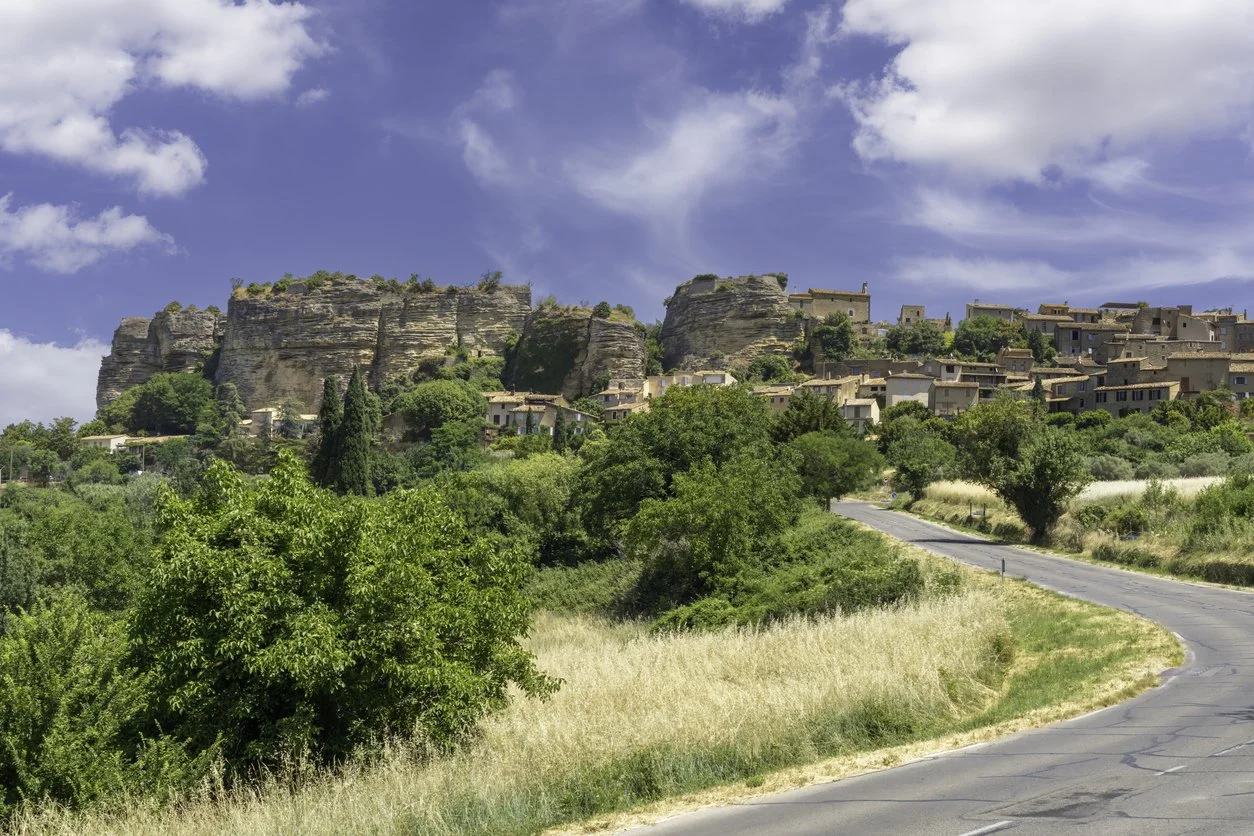
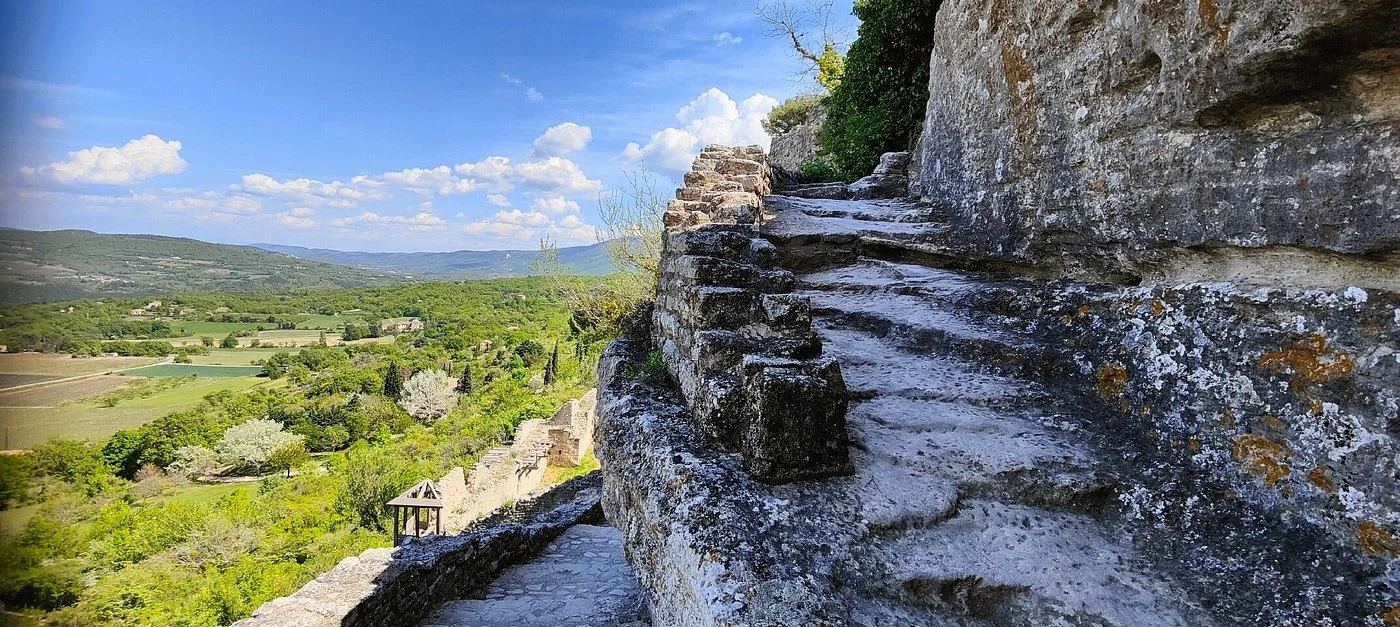
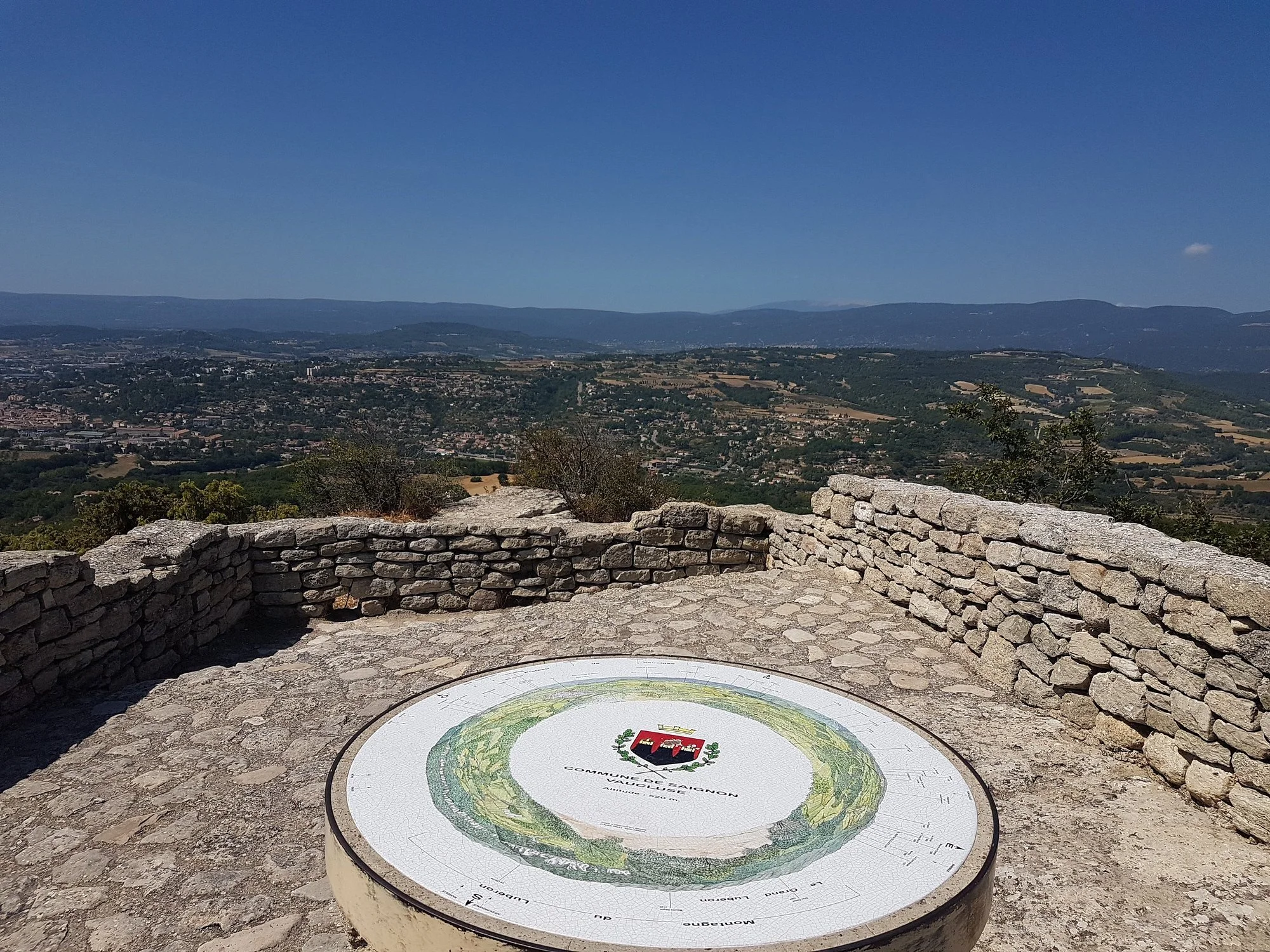
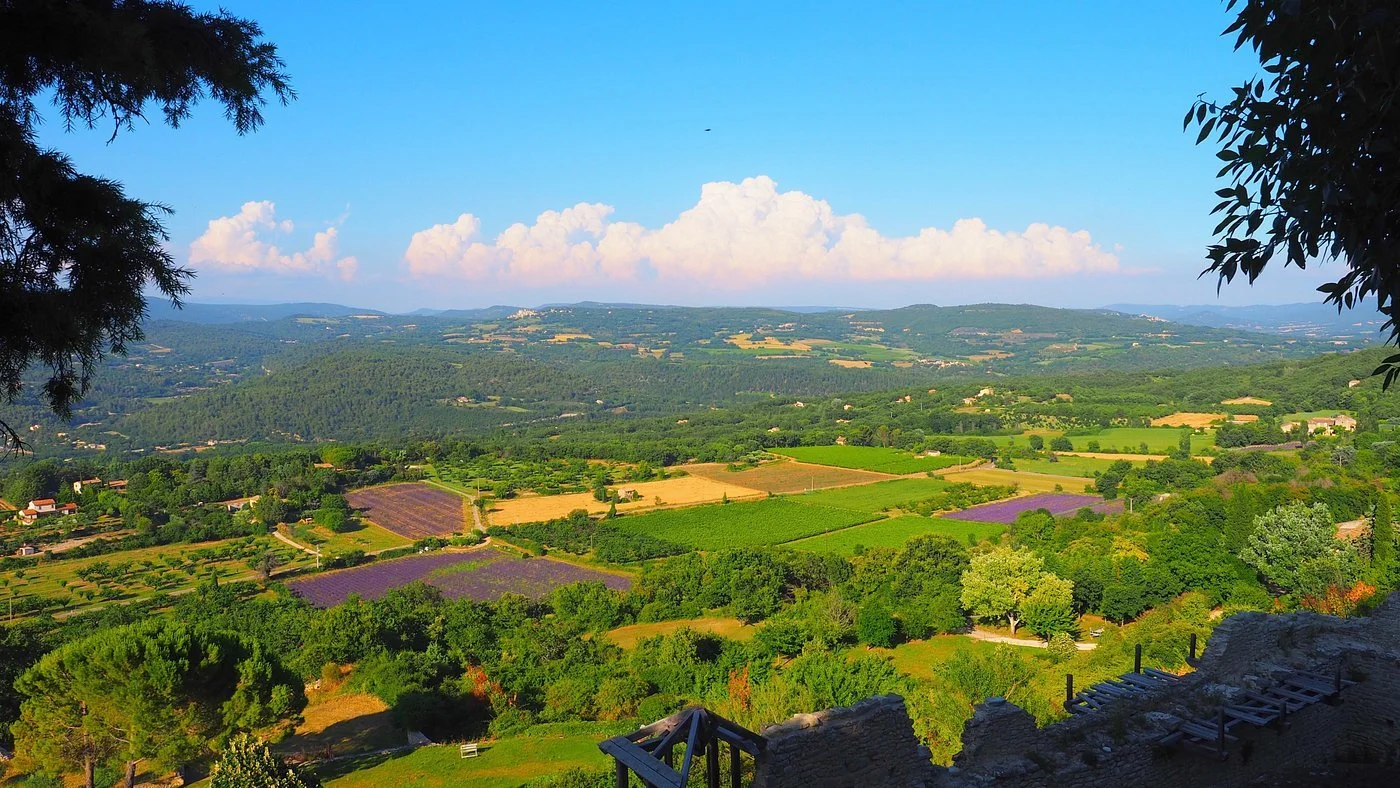

Even before the year 1000, on one of the platforms of its monumental rock, the bishopric of Apt had built an imposing tower to defend against looters and invaders of its town. Then two castles were built in turn; one, the "Château Méjean, " on the rock in the "middle," the other, the Château de Crugière, on a vast platform facing east.
The surrounding populations, who had previously lived in isolation in scattered settlements, gathered around the castle walls, thus benefiting from the protection of the local lords.
And so, at the turn of the year 1000, Saignon was born, a small town and trading center where all trades were practiced.
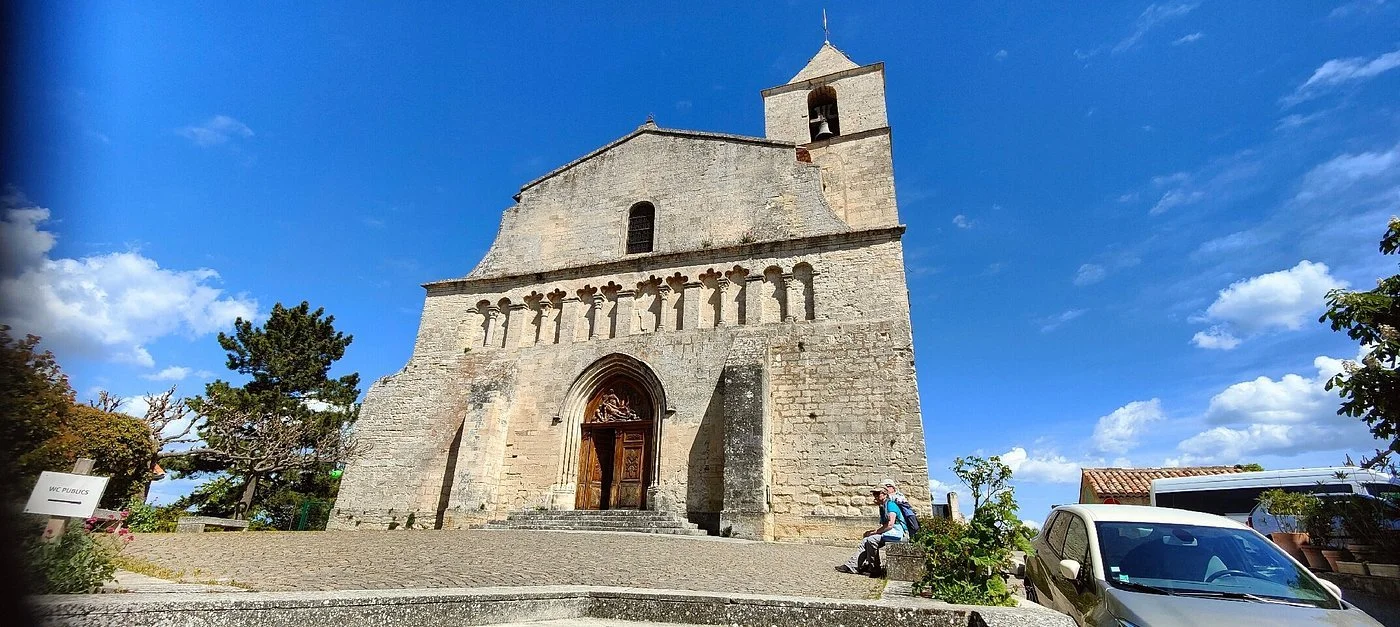
Built in the 12th century, the church of Saignon overlooks theApt valley.
The fountain square
In the heart of the village, Place de la Fontaine is located in the Bourget district.
It was an extension of the medieval village within the city walls, dating back to the 16th century.
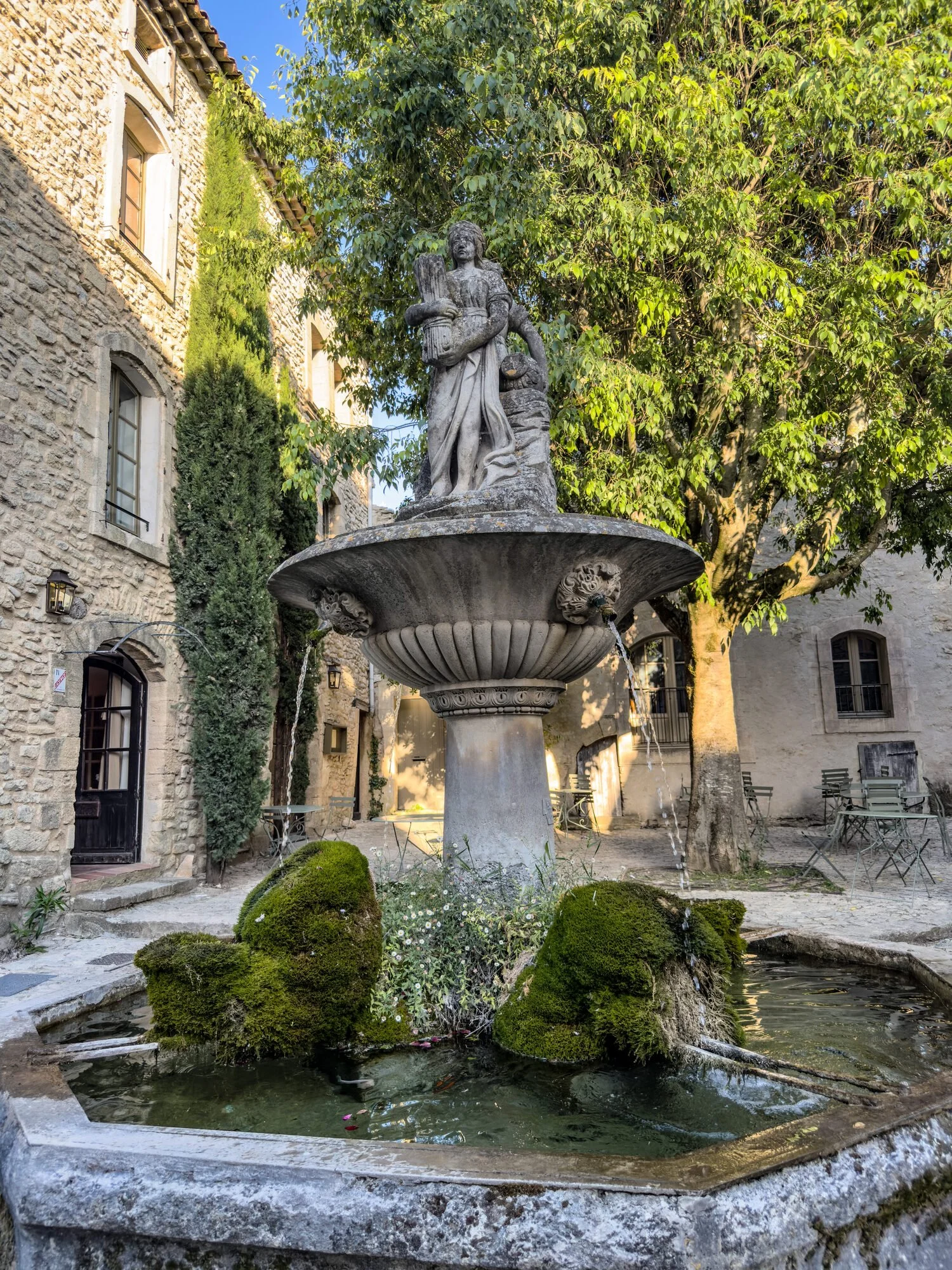
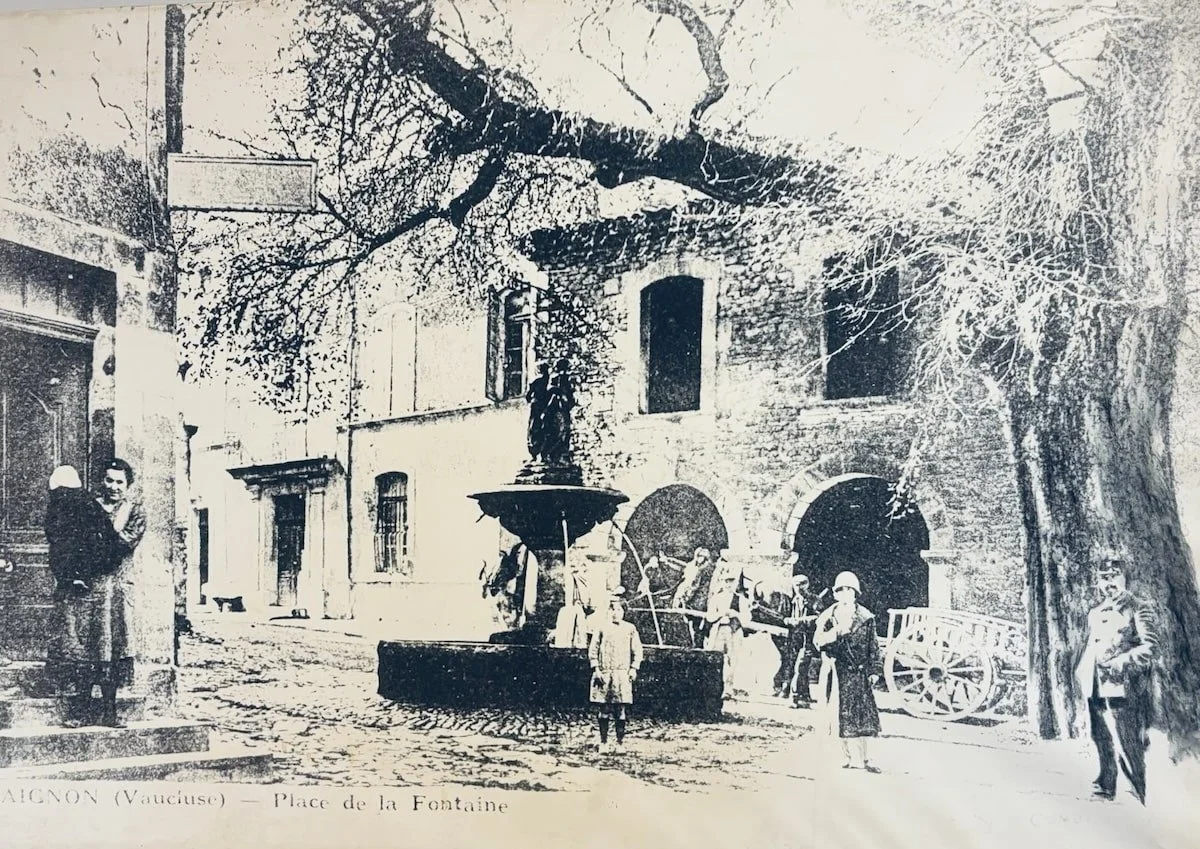
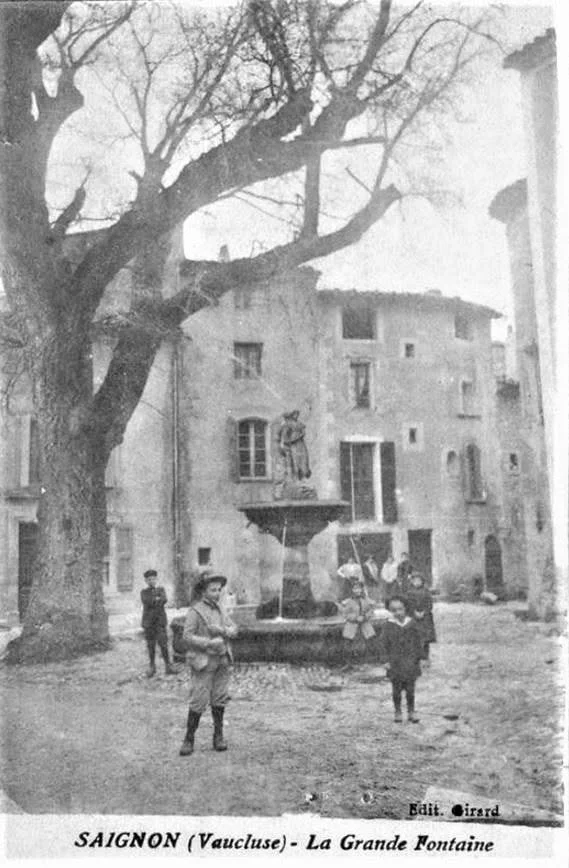
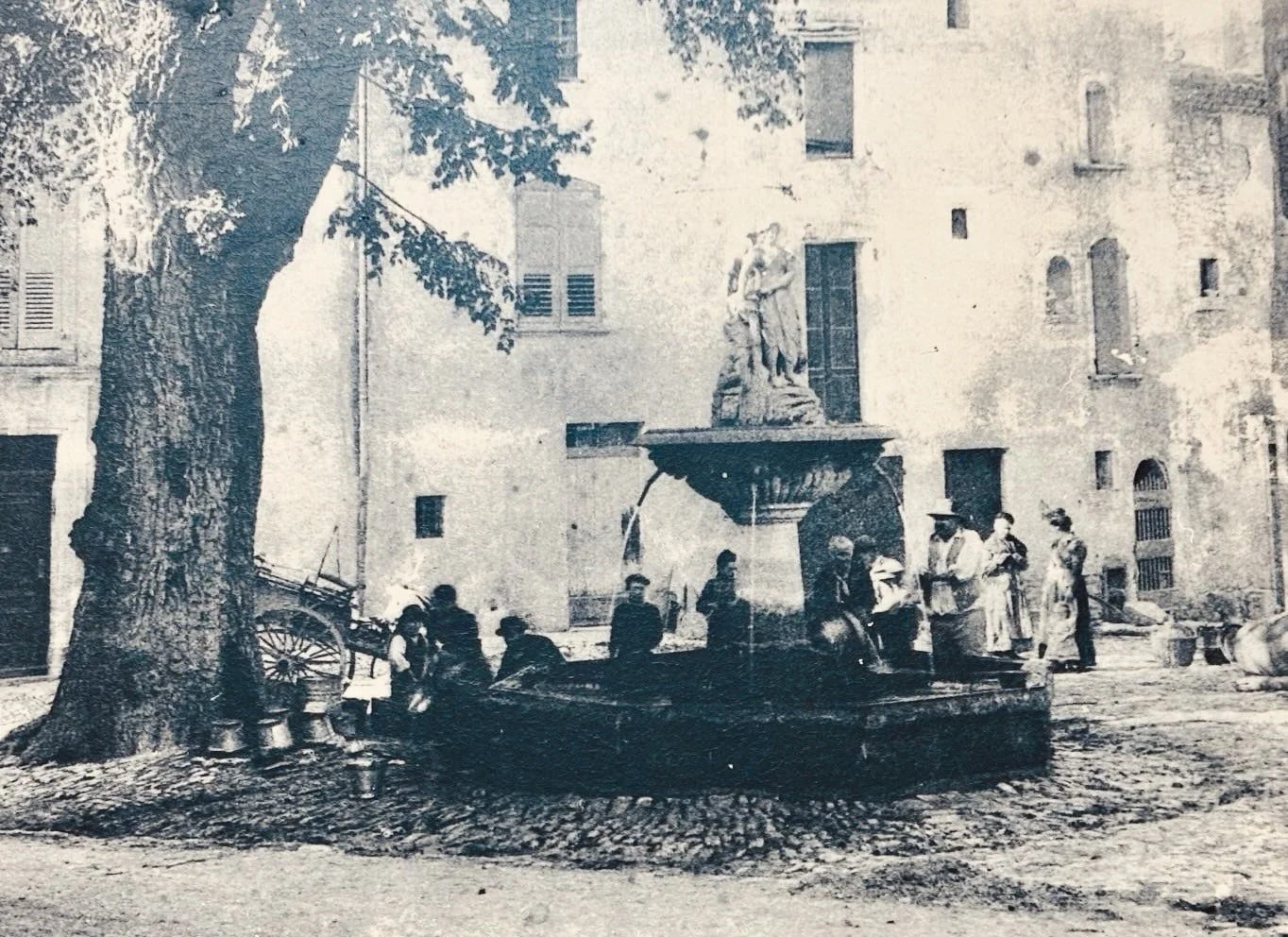
Place de la Fontaine plays an important role in daily life. The iconic fountain at its center is topped by two allegorical statues representing agriculture and abundance, a 19th-century work by Joseph Noël Elzéar Sollier, a native of Saignon and a student of David d’Angers.
Historically, the square was a gathering place: a place to stroll, wash clothes, chat with neighbors, and enjoy a friendly break in the shade of a hackberry tree near the cool water.
Place de la Fontaine retains its Provençal charm: stone facades, greenery, and light that changes with the seasons.
In summer, it offers coolness and calm; in spring and fall, its changing atmosphere enchants visitors.
The inn is located on Place de la Fontaine, right next to the parish church. Its name indicates that it is the village’s former rectory—that is, the house where the parish priest once lived. This layout is typical of Provençal villages, where the rectory was located next to the church and the main square.
Historically consisting of several fairly simple row houses—one of which was a large garage opening onto the Place de la Fontaine—the Auberge was opened by the owners of the village’s former presbytery. Purchased by a local couple, the Auberge has built a fine reputation in the region for its hospitality and excellent cuisine on one of the Luberon’s most beautiful squares. Then, when they retired, the Auberge fell into a slumber… Until this year!
The inn underwent a complete renovation and reopened on May 21, 2026.
Recently taken over by a local family, the inn has been carefully renovated and decorated to highlight the natural surroundings and the surrounding stonework, and it has regained its spirit, reopening its doors in May 2026. The new owners are committed to preserving the character of this historic building while infusing it with a contemporary charm.